Dec 10, 2025
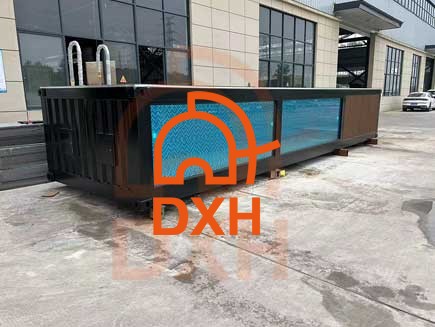
Um número crescente de proprietários de casas está optando por piscinas de contêineres em seus quintais. Essas piscinas são construídas a partir de contêineres que oferecem uma combinação de estilo, praticidade e sustentabilidade. Antes de iniciar um projeto de piscina de contêiner, é essencial conhecer alguns fatores para evitar problemas durante a instalação. 1. Regulamentos e Licenças Locais As normas variam de município para município. Algumas áreas classificam piscinas em contêineres como estruturas acima do solo, enquanto outras as consideram piscinas permanentes. Consultar a câmara municipal local com antecedência para compreender as normas locais pode evitar atrasos dispendiosos ou problemas de conformidade. 2. Considerações sobre orçamento e custos Piscinas em contêineres geralmente custam menos do que piscinas tradicionais enterradas. No entanto, os custos podem variar bastante dependendo das opções de personalização. Piscinas de contêiner básicas têm preços iniciais mais baixos do que as piscinas tradicionais. Recursos adicionais, como aquecimento, sistemas de filtragem, iluminação e acabamentos internos, aumentarão o custo total. Os custos de frete e instalação também devem ser incluídos no orçamento. A DXH House oferece uma estrutura de preços transparente para ajudá-lo a realizar o sonho da sua piscina de contêiner dentro do seu orçamento. 3. Avaliação do Local e Requisitos da Fundação Uma avaliação do local determina a viabilidade da instalação de uma piscina de contêineres. O local de instalação deve ser capaz de acomodar o tamanho do contêiner e permitir espaço adicional suficiente acima da cabeça. A estabilidade da fundação é crucial para a integridade a longo prazo da piscina container. A fundação normalmente consiste em uma base de concreto ou uma sub-base de cascalho compactado. Um sistema de drenagem adequado impede o acúmulo de água na parte externa do container. A qualidade da fundação afeta diretamente a vida útil e a integridade estrutural da piscina. Inclinação, padrão de drenagem e tipo de solo influenciam o projeto da fundação. O solo deve ser capaz de suportar o peso total do container, da água e dos usuários. 4. Métodos de Instalação Piscinas em contêineres exigem uma base de suporte adequada para manter a estabilidade. Existem três métodos principais de instalação: acima do solo, semi-enterrada e totalmente enterrada. Piscinas de contêiner acima do solo são as mais fáceis de instalar, exigindo escavação mínima e podendo ser facilmente realocadas conforme a necessidade. Piscinas de contêiner semi-enterradas se integram perfeitamente ao ambiente ao redor e podem reduzir os custos de escavação. Piscinas de contêiner totalmente enterradas oferecem a aparência mais tradicional, mas exigem escavação extensa e um sistema de drenagem. 5. Sistemas de Encanamento e Filtragem Manter a qualidade da água exige equipamentos adequados de filtragem e circulação. Piscinas em contêineres devem selecionar sistemas de bombeamento apropriados com base no volume de água. Os dispositivos de filtragem não apenas removem impurezas, mas também mantêm a água cristalina. As conexões hidráulicas devem ser compatíveis com as instalações existentes na propriedade. O planejamento adequado do layout da tubulação e a vedação hermética das perfurações são cruciais. Além disso, o sistema de filtragem deve ser considerado; sistemas de salmoura são altamente corrosivos para o aço, e o cloro é uma boa opção. Os projetos de piscinas container da DXH House geralmente integram as instalações de forma harmoniosa. 6. Aquecimento e Controle de Temperatura Piscinas em contêineres oferecem diversas opções de aquecimento. Aquecedores elétricos proporcionam controle preciso da temperatura. Bombas de calor são energeticamente eficientes em climas amenos. Sistemas de aquecimento solar utilizam a luz do sol para reduzir os custos operacionais. Aquecedores a gás oferecem aquecimento rápido, mas exigem conexão à rede de gás natural ou propano. Um bom isolamento reduz a perda de calor e os custos de eletricidade. O isolamento de espuma pode ser aplicado nas paredes do contêiner antes do acabamento interno, enquanto as coberturas para piscinas minimizam a evaporação e mantêm a temperatura quando não estão em uso. 7. Opções Estruturais e de Projeto As piscinas de contêiner oferecem uma ampla gama de opções de personalização. Os acabamentos internos variam de superfícies pintadas simples a pisos de mosaico. Os revestimentos de vinil proporcionam uma solução de impermeabilização acessível e estão disponíveis em diversos padrões. É possível adicionar aberturas de janela às paredes do contêiner para criar janelas panorâmicas interessantes que aprimoram o apelo visual. Os degraus, bancos e aspersores melhoram a funcionalidade e o conforto. A integração com um terraço transforma a área da piscina em um espaço de convivência ao ar livre completo. A DXH House oferece uma gama completa de serviços de design para dar vida à sua visão. Nossa equipe garante que suas escolhas estéticas se harmonizem com as necessidades estruturais e respeitem seu orçamento. 8. Dicas de manutenção A manutenção regular ajuda a preservar a qualidade da água e prolonga a vida útil das piscinas de contêiner. A manutenção de piscinas de contêiner é semelhante à de piscinas tradicionais, mas apresenta aspectos específicos. Mesmo com revestimentos protetores, as piscinas de contêineres de aço exigem medidas de prevenção contra ferrugem. Inspeções regulares podem detectar a corrosão precocemente, evitando danos graves. Manter o equilíbrio hídrico também ajuda a prevenir a deterioração da superfície interna. A manutenção sazonal varia de acordo com o clima. Coberturas podem ser usadas para proteger a piscina durante a baixa temporada, quando não está em uso, enquanto a manutenção de inverno é necessária em regiões mais frias para evitar danos causados pelo gelo. Serviços profissionais de manutenção podem detectar problemas precocemente e prolongar a vida útil das piscinas de contêiner. Perguntas frequentes sobre piscinas em contêineres Piscinas de contêineres são seguras para crianças? Se equipadas com cercas adequadas e uma superfície antiderrapante, elas atendem aos mesmos padrões de segurança que as piscinas tradicionais. Posso levar meu Container Pool comigo quando me mudar? Teoricamente sim. É uma estrutura portátil e modular. No entanto, o custo específico depende do seu tamanho e do método de instalação.
LEIA MAIS





 Rede IPv6 suportada