Dec 12, 2025
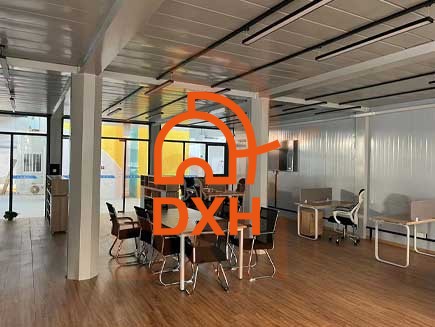
Os escritórios modulares em contêineres oferecem uma solução flexível, econômica e móvel para as necessidades de espaço de escritório modernos. Essas estruturas modulares, com suas vantagens de instalação rápida, portabilidade e personalização, são populares entre startups, canteiros de obras, áreas remotas e empresas em expansão. O que é um escritório em contêiner desmontável? Os escritórios em contêineres desmontados chegam ao local em painéis pré-fabricados. Esses componentes podem ser montados rapidamente com o mínimo de equipamentos especializados durante a instalação. Como as remessas desmontadas ocupam significativamente menos espaço do que os contêineres totalmente montados, esse design facilita o transporte eficiente. Esses escritórios pré-fabricados geralmente apresentam uma estrutura de aço, equipada com painéis de parede isolantes, portas e janelas, sistemas elétricos e um sistema de climatização. A DXH House utiliza materiais resistentes às intempéries para fabricar escritórios em contêineres, mantendo o conforto interno mesmo em ambientes adversos. O design modular permite expandir o espaço do seu escritório pré-fabricado à medida que sua equipe cresce. Vários contêineres podem ser conectados perfeitamente, permitindo a construção de complexos de escritórios maiores sem precisar começar do zero. Principais considerações para o planejamento de um escritório em contêiner desmontável 1. Requisitos de espaço e orçamento Primeiro, determine a finalidade do escritório contêiner desmontável Para um escritório temporário ou permanente, calcule as necessidades de espaço do seu contêiner com base no número de funcionários e suas funções. Geralmente, para garantir um ambiente de trabalho confortável, é importante reservar espaço para salas de reunião, áreas de descanso, depósitos e armazenamento de equipamentos. A DXH House oferece uma variedade de escritórios em contêineres pré-fabricados de tamanho padrão, desde espaços compactos de 10 pés até amplos escritórios em contêineres de 40 pés, para atender às necessidades de equipes de diferentes tamanhos. Elabore um orçamento claro o mais cedo possível. Os custos incluem o próprio contêiner, a fundação, as ligações de serviços públicos e o acabamento interior, a instalação e os custos de transporte. Um orçamento claro facilita o planejamento financeiro detalhado. 2. Seleção do local e preparação da fundação A escolha do local afeta a funcionalidade, a conveniência e a conformidade do seu escritório. Avalie a acessibilidade do local, pois a localização determina os requisitos estruturais do escritório em contêiner pré-fabricado. Um terreno plano é crucial para a instalação adequada; a fundação deve ser capaz de suportar o peso do escritório em contêiner. As opções de fundação incluem pilares de concreto, blocos de alvenaria ou lajes de concreto maciço. 3. Layout e funcionalidade do projeto Os escritórios modulares em contêineres oferecem grande flexibilidade. O planejamento cuidadoso do espaço maximiza a produtividade e a satisfação dos funcionários. Primeiramente, identifique as principais áreas funcionais. Separe as áreas de trabalho das áreas públicas de grande circulação. Organize os espaços de escritório para gerentes ou supervisores de forma que lhes permitam observar as operações e se comunicar facilmente. Posicione as salas de reunião longe das principais áreas de trabalho para minimizar distrações. Materiais de isolamento térmico de alta qualidade regulam a temperatura, reduzem os custos de energia e minimizam o ruído. Escolha os materiais de painel de isolamento adequados à sua zona climática. Pisos duráveis e fáceis de limpar resistem ao desgaste diário. Você pode optar por painéis de vinil, pisos compostos ou carpetes industriais. Escolha os materiais adequados com base no seu clima e nas suas necessidades de manutenção. 4. Integração e conexões de serviços públicos O planejamento das instalações de serviços públicos é crucial. Planeje os pontos de conexão para eletricidade, água e esgoto, se necessário. Os trabalhos elétricos devem estar em conformidade com todas as normas locais. Todas as instalações de serviços públicos devem ser realizadas por profissionais licenciados. Para áreas remotas, escritórios em contêineres desmontáveis podem considerar soluções autossuficientes. Painéis solares e reservatórios de água podem fornecer energia independente. Um sistema de utilidades bem desenvolvido garante que o escritório esteja pronto para uso imediato após a montagem. 5. Compreenda as licenças e regulamentos Respeitar as normas locais pode evitar atrasos ou multas dispendiosas. Pesquise os requisitos relevantes logo no início do processo de planejamento. Entre em contato com a autoridade de construção local para entender as restrições de zoneamento. Algumas áreas proíbem estruturas temporárias ou restringem seu uso em determinados horários. Outras exigem uma distância mínima das linhas divisórias ou de edifícios adjacentes. As licenças de construção garantem que seu escritório atenda aos padrões de segurança. Os inspetores verificarão se a parte elétrica, a integridade estrutural, as medidas de segurança contra incêndio e as instalações de acessibilidade atendem aos requisitos. Agende as inspeções em etapas importantes da construção. Dependendo da sua localização, você pode precisar cumprir regulamentações ambientais. Zonas úmidas, habitats protegidos ou distritos históricos podem ter restrições adicionais. Se o seu terreno estiver localizado em uma área sensível, consulte os órgãos ambientais. Comece a planejar seu escritório em contêiner desmontável. O planejamento de um escritório em contêiner pré-fabricado exige atenção à seleção do local, à funcionalidade do projeto, à conformidade com as normas e ao gerenciamento do orçamento. Essas estruturas versáteis oferecem soluções práticas de espaço de trabalho para empresas que buscam flexibilidade sem sacrificar a qualidade. Comece a planejar seu escritório em contêiner pré-fabricado hoje mesmo. Entre em contato com a DXH House Para uma consulta e orçamento gratuitos, deseje projetar um escritório que atenda às suas necessidades específicas e respeite o seu orçamento. Perguntas frequentes (FAQ) Qual é a vida útil de um escritório em contêiner desmontável? Com a devida manutenção, os escritórios modulares em contêineres da DXH House podem durar mais de 20 anos. A estrutura de aço resistente às intempéries previne eficazmente a ferrugem e suporta as condições climáticas adversas. Os escritórios desmontáveis podem ser portáteis? Sim. O design desmontável facilita a desmontagem, o transporte e a remontagem em um novo local a um custo mínimo. O escritório em contêiner desmontável é seguro? As unidades residenciais DXH são equipadas com portas de aço com fechadura, grades de proteção nas janelas e um sistema de alarme opcional. Preciso de uma base de concreto para o escritório pré-fabricado? Não. Na maioria dos casos, fundações em estacas ou pilares de aço ajustáveis são suficientes. Isso reduz custos e minimiza o impacto no local.
LEIA MAIS





 Rede IPv6 suportada