
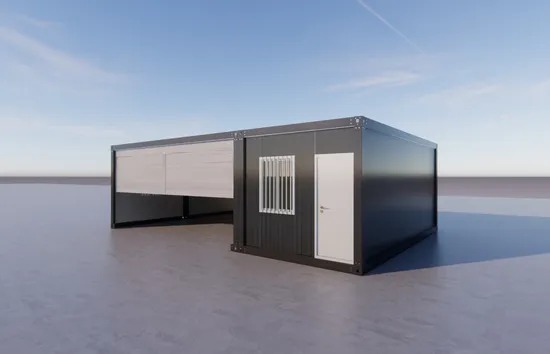
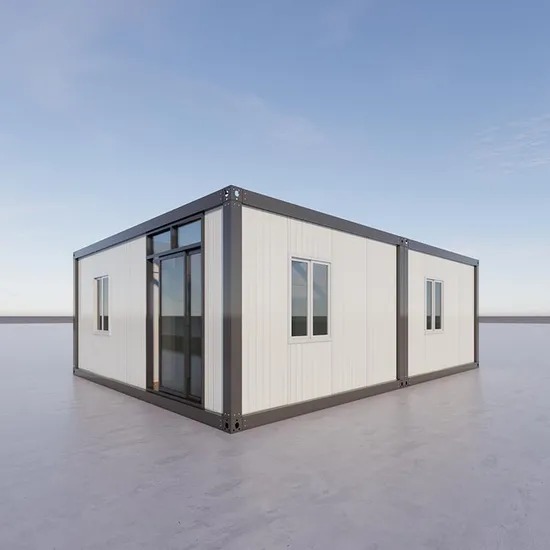
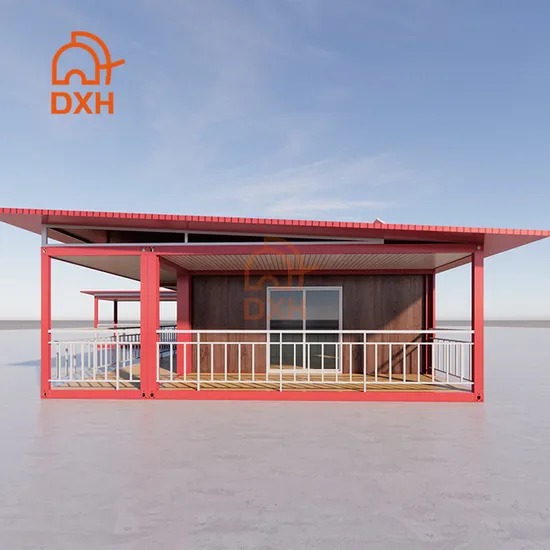
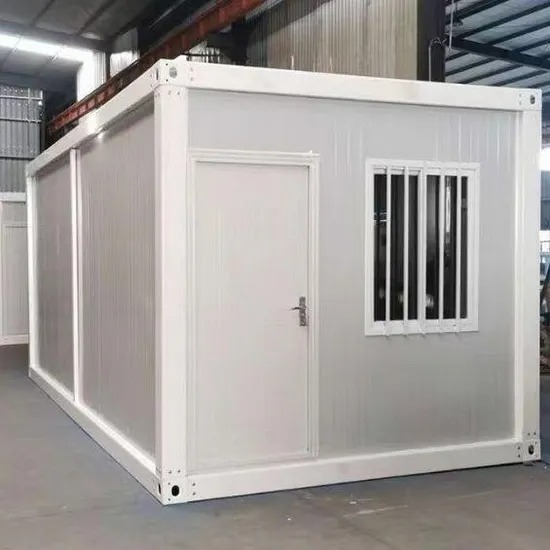
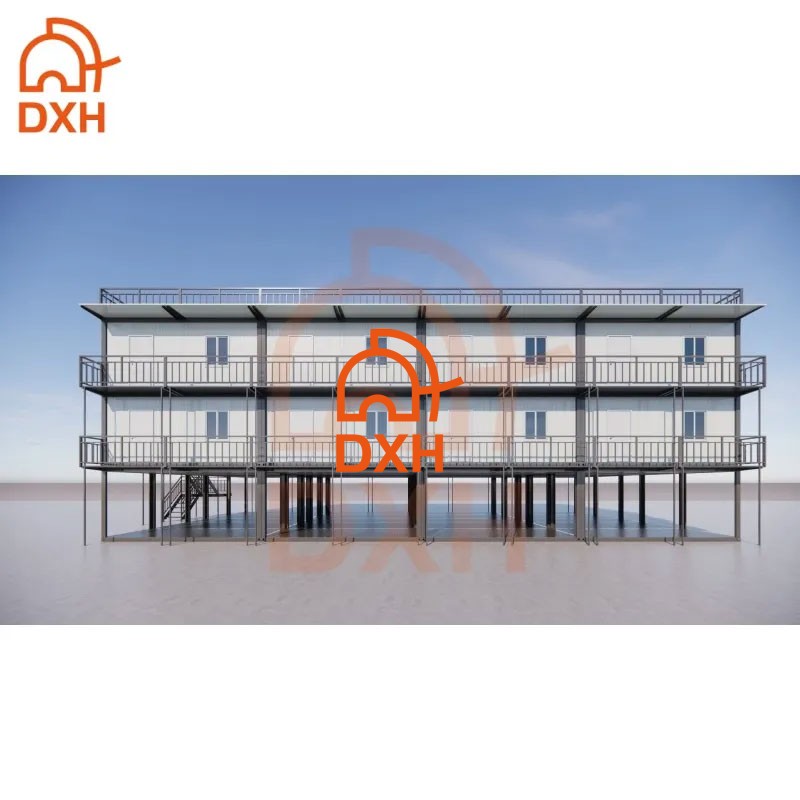
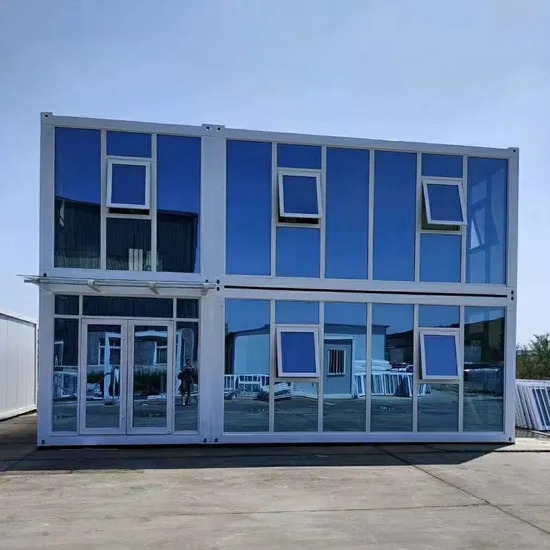
Uma subestação especializada em contêineres foi implantada ao longo da costa da Nigéria para dar suporte à infraestrutura de energia renovável em um ambiente natural exigente. A equipe de engenharia da DXH House projetou e fabricou uma solução robusta em contêineres, capaz de suportar condições climáticas extremas e, ao mesmo tempo, abrigar equipamentos elétricos essenciais para instalações solares isoladas da rede.
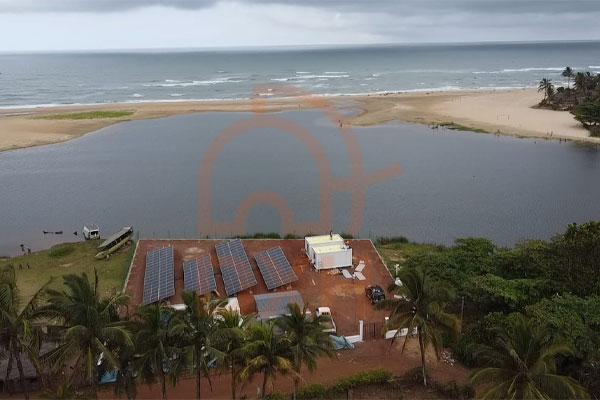
A infraestrutura de energia costeira da Nigéria enfrenta desafios únicos. Altas temperaturas, umidade e corrosão persistente por maresia exigem métodos de construção especializados. Os métodos tradicionais muitas vezes não oferecem proteção adequada para equipamentos elétricos sensíveis nessas condições.
O cliente necessitava de uma solução de subestação capaz de suportar painéis solares instalados no solo. A subestação em contêineres precisava abrigar inversores, sistemas de armazenamento de energia em baterias e equipamentos de distribuição de energia, mantendo a integridade operacional durante eventos climáticos severos, incluindo tempestades tropicais.
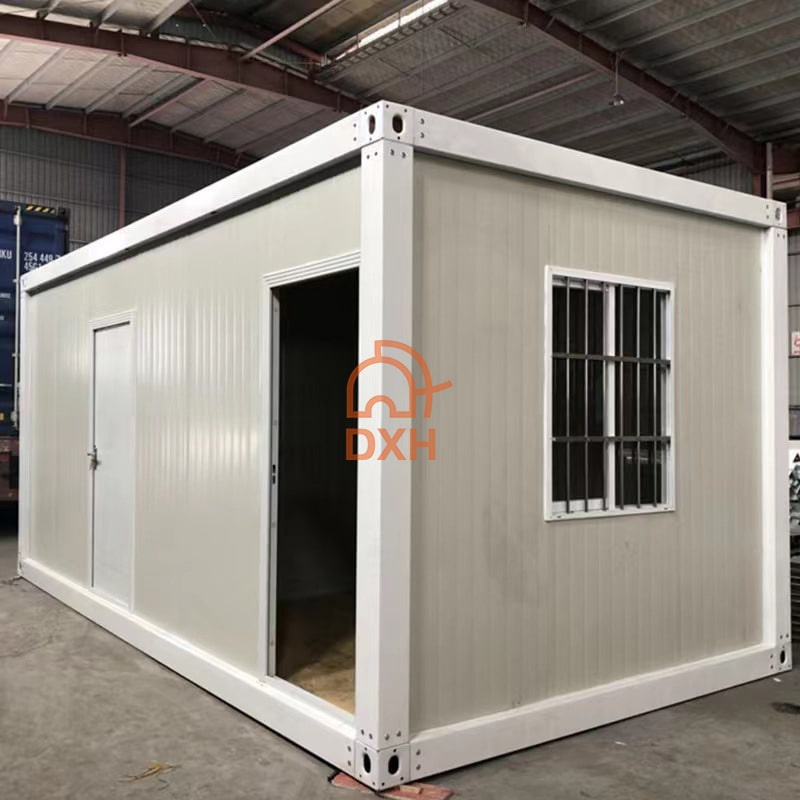
A DXH House desenvolveu um sistema de contêineres reforçados com excepcional capacidade de carga. A estrutura principal da subestação em contêineres utiliza componentes de aço com 3,0 mm de espessura, e todos os elementos tubulares quadrados mantêm uma espessura de parede uniforme de 2,0 mm em toda a montagem. Essa estrutura robusta forma um esqueleto de alta resistência capaz de suportar transformadores montados na parede e equipamentos elétricos pesados sem a necessidade de reforço estrutural adicional.
Pesando mais de 1,4 toneladas, todo o conjunto do contêiner da subestação utiliza sua massa para manter a estabilidade estrutural durante ventos fortes, comuns em regiões costeiras.
As paredes externas do contêiner da subestação utilizam painéis sanduíche de lã de rocha de magnésio e fibra de vidro. Esse material composto oferece isolamento térmico excepcional, além de impedir a penetração de umidade. O núcleo de lã de rocha proporciona resistência ao fogo e regulação de temperatura, enquanto a superfície de óxido de magnésio oferece rigidez estrutural e resistência à corrosão por névoa salina.
Esses painéis garantem temperaturas internas estáveis no contêiner da subestação, mesmo sob altas temperaturas externas, permitindo que os equipamentos operem dentro de faixas de temperatura ideais sem resfriamento excessivo.
As regiões costeiras da Nigéria sofrem com sistemas climáticos tropicais durante todo o ano, com ventos fortes e persistentes. O projeto de subestação em contêineres da DXH House atinge a Classe de Vento 12, garantindo que a estrutura suporte velocidades de vento superiores a 117 km/h (72 mph) sem falhas estruturais ou deformações significativas.
Superfícies externas lisas minimizam a carga de vento. Pilares de canto reforçados e travessas distribuem as forças laterais por toda a estrutura. O projeto da DXH House garante segurança e continuidade operacional durante tempestades tropicais severas, comuns nas zonas costeiras da Nigéria.
As regiões costeiras da Nigéria enfrentam desafios ambientais significativos. As temperaturas frequentemente ultrapassam os 35°C (95°F), com umidade consistentemente acima de 80%, o que leva à formação de névoa salina que corrói severamente o aço desprotegido. A DXH House incorpora todos esses fatores:
Essa abordagem integrada garante que os contêineres da subestação funcionarão de forma confiável por décadas em condições adversas.
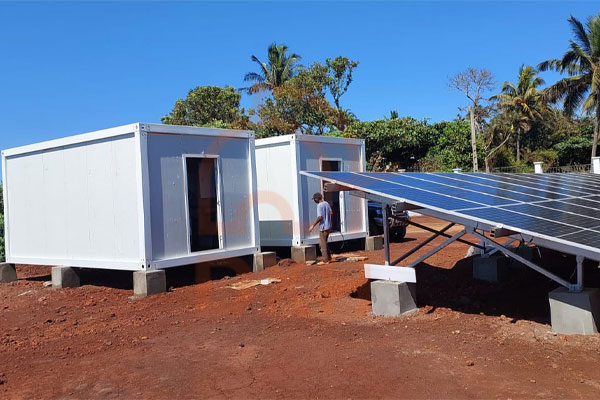
O projeto da subestação solar costeira da Nigéria demonstra a viabilidade de soluções especializadas em contêineres para condições ambientais exigentes. O projeto da DXH House atende com sucesso a múltiplos requisitos complexos por meio de uma abordagem de engenharia integrada.
O reforço estrutural permite a instalação direta do equipamento sem a necessidade de estrutura adicional. Os recursos de proteção ambiental mantêm a integridade operacional em ambientes de alta temperatura, alta umidade e névoa salina. A resistência ao vento garante a operação contínua durante condições climáticas extremas.
A construção modular oferece vantagens sobre os métodos tradicionais tanto em termos de cronograma quanto de custo. A qualidade da pré-fabricação em fábrica supera significativamente os padrões de construção no local, e a mobilidade proporciona flexibilidade para se adaptar às demandas operacionais em constante evolução.

Xunqing Rd No.639, Taoyuan Town, Wujiang District, Suzhou City, Jiangsu Province, China
View All Contact


Nosso horário
Seg, 21/11 - Quarta, 23/11: 9h - 20h
Qui, 24/11: fechado - Feliz Dia de Ação de Graças!
Sexta-feira, 25/11: 8h - 22h
Sábado, 26/11 - Dom, 27/11: 10h - 21h
(todos os horários são horário do leste)
 Rede IPv6 suportada